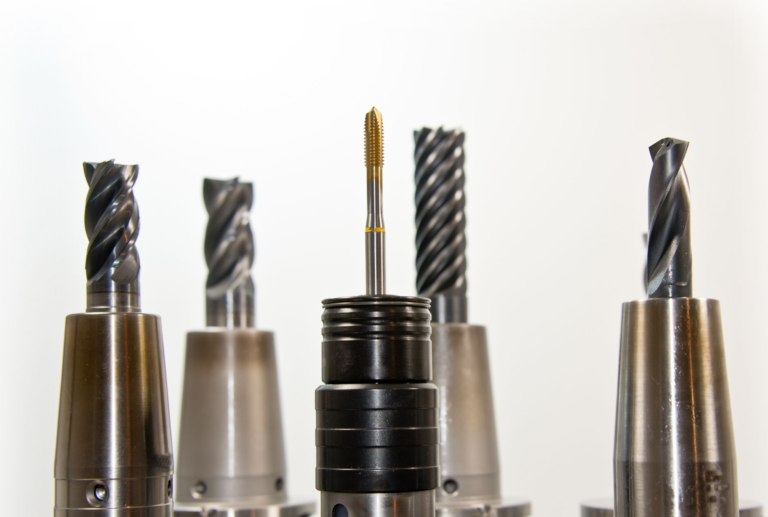
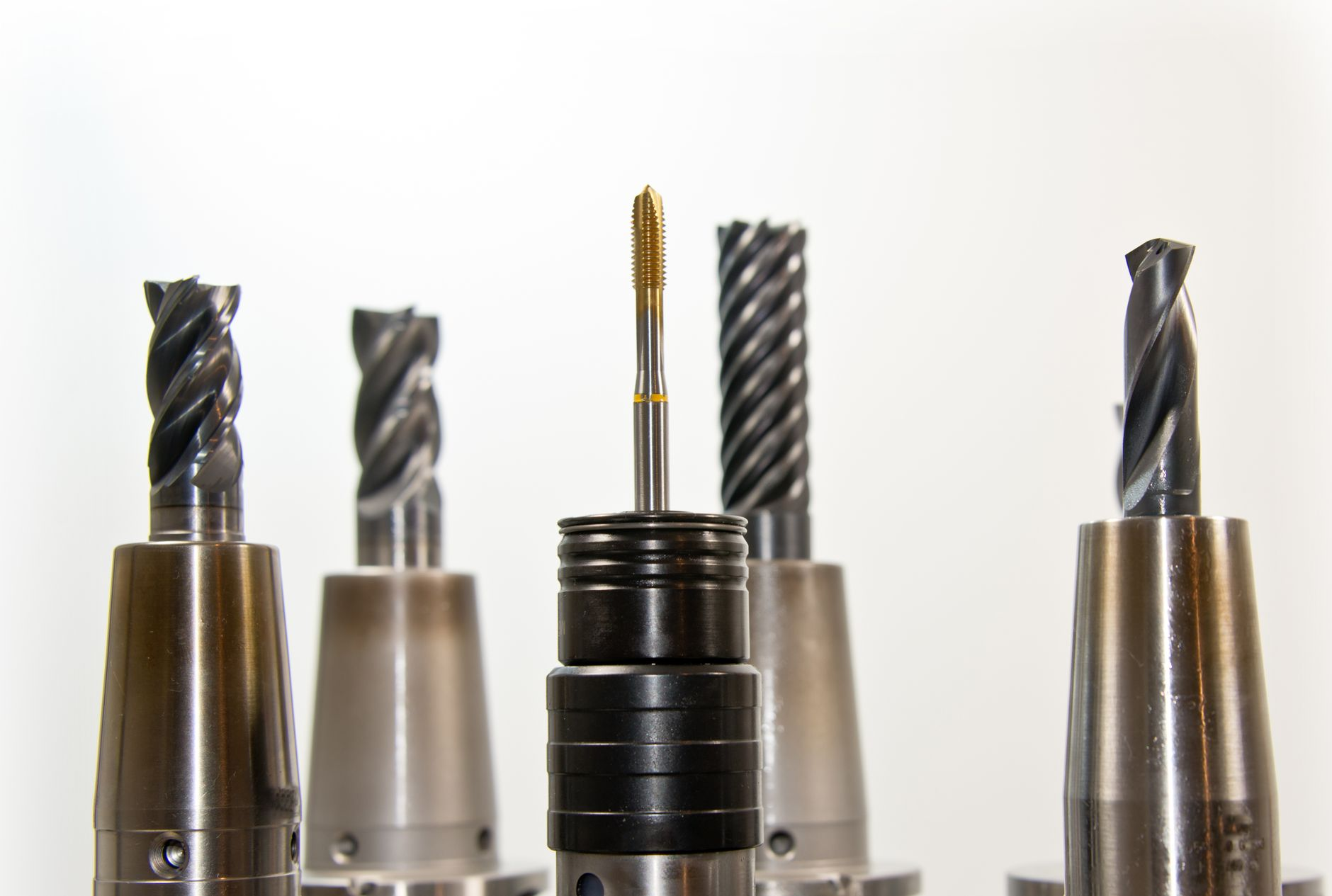
Using the incorrect drill bit can lead to splintered wood, dulled edges on metal, or slow, ineffective drilling into masonry. Achieving a clean, precise hole efficiently relies heavily on matching your drill bit to the material you are working with and the task at hand.
Understanding Drill Bit Types and Materials
Drill bits come in various designs, each optimised for particular materials. Understanding these differences is key to successful drilling. Common shank types include straight shanks for standard chucks, hex shanks for quick-change systems, and SDS shanks for hammer drills, designed for secure fit and efficient power transfer.
General purpose sets, such as the 130pc Hi-Spec Drill Bit Set or the VonHaus 99-Piece Drill Bit Set, often provide a range of bits suitable for common household tasks. However, for specific projects or materials, dedicated bits offer superior performance.
Drill Bits for Wood
Drilling into wood requires bits that can cut cleanly without tearing the fibres. There are several types tailored for different wood applications:
Brad Point Drill Bits
These bits feature a sharp, central point and two cutting spurs. The central point helps to locate the hole precisely and prevents the bit from wandering, while the spurs shear the wood fibres for a clean-edged hole. They are ideal for hardwoods, softwoods, and composite materials where a neat finish is important. You can find sets like the Bosch 7-Piece Brad Point Drill Bit Set, Wood, Black/Silver, 2-14.1mm, which offer a useful range of sizes.
Spade Bits
Also known as flat bits, spade bits are designed for drilling larger diameter holes quickly in wood. They are less precise than brad point bits and can cause breakout on the exit side if not supported. They are best suited for rough work, such as drilling holes for wiring or plumbing in framing timber.
Auger Bits
Auger bits are characterised by a screw-thread tip that pulls the bit into the wood, and a large flute for efficient chip removal. They are excellent for drilling deep, clean holes in thick timber, such as railway sleepers or heavy beams, with minimal effort.
Forstner Bits
Forstner bits are used to create flat-bottomed, precise holes or overlapping holes in wood. They are commonly used in joinery for hinge recesses or pocket holes where a clean, flat base is required. They require a drill press for best results due to their design, which needs stable control to prevent wandering.
Drill Bits for Metal
Drilling into metal requires bits that can withstand high temperatures and friction, while maintaining a sharp cutting edge.
High-Speed Steel (HSS)
HSS bits are the most common type for drilling metal. They are suitable for softer metals like aluminium, brass, copper, and mild steel. They can also be used for plastics and some woods. For optimal performance and to extend their life, use a cutting fluid or oil to dissipate heat when drilling metal.
HSS with Titanium Nitride (HSS-TiN) Coating
These bits have a thin layer of titanium nitride, which significantly increases their hardness and heat resistance. HSS-TiN bits last longer and can drill through harder steels more efficiently than standard HSS bits. Examples include the DEWALT 21-Piece Titanium Drill Bit Set and the Makita HSS-TIN Drill Bit Set – 10 Piece.
HSS with Cobalt (HSS-Co)
Cobalt alloyed HSS bits (often 5% or 8% cobalt) offer superior heat resistance and hardness, making them ideal for drilling tough materials like stainless steel, cast iron, and other high-tensile alloys. They are more brittle than standard HSS bits, so care must be taken to avoid snapping them.
Step Drill Bits
A HSS Titanium Step Drill Bit (5-35mm) is designed to drill multiple hole sizes in thin sheet materials, such as metal or plastic, with a single bit. They create clean, burr-free holes and are particularly useful for electrical work or automotive applications.
- Use cutting fluid or oil: This reduces heat and friction, extending bit life and improving cut quality.
- Start with a centre punch: This prevents the drill bit from wandering on the metal surface.
- Use appropriate drill speed: Slower speeds are generally better for harder metals and larger diameter bits.
- Secure the workpiece: Always clamp the material firmly to prevent it from spinning or moving. For reliable clamping solutions, explore Workshop Equipment.
Drill Bits for Masonry, Concrete, and Stone
Drilling into hard, abrasive materials like brick, concrete, and stone requires specialist bits designed to withstand impact and abrasion.
Carbide-Tipped Masonry Bits
These bits feature a hardened carbide tip brazed onto a steel shank. They are specifically designed for use with a hammer drill, which combines rotary motion with a hammering action to pulverise the material. Sets like the ePicsoa 3-12mm Carbide-Tipped Concrete & Masonry Drill Bit Set (10-Piece) or the Toolant 4-10mm Carbide Masonry Drill Bit Set (5-Piece) are common choices for brick, block, and mortar.
SDS Plus/Max Drill Bits
SDS (Slotted Drive System) bits are designed for professional hammer drills. They have specific flutes on the shank that lock into the drill’s chuck, allowing for efficient power transfer and quick bit changes. SDS Plus is for lighter duty hammer drills, while SDS Max is for heavier applications, offering superior durability and drilling speed in concrete, especially when encountering rebar. The Bosch 7-Piece CYL-3 Concrete Drill Bit Set (Ø4-10mm) is an example of a carbide-tipped SDS Plus set.
When drilling masonry, always use a hammer drill for best results. Regularly withdraw the bit to clear dust from the hole, which helps prevent overheating and clogging.
Specialist Drill Bits
Beyond the common materials, certain tasks require highly specialised drill bits.
Diamond Drill Bits
Diamond bits are used for extremely hard and abrasive materials that would quickly dull or destroy conventional bits. These include ceramic tiles, porcelain, glass, granite, and marble. They do not cut like other bits; instead, they abrade the material. Diamond drill bits, such as a Tile Drill Bit Set (10PC), Lytool Diamond Drill Bit Set (5-12mm), or 5 Pcs Diamond Drill Bits – 6mm, Hex Shank – Tile, Stone, Glass, require water cooling during use to prevent overheating and ensure effective cutting.
Countersink Bits
Countersink bits create a conical hole that allows the head of a screw to sit flush with or below the surface of the material. They are essential for achieving a neat finish, particularly in woodworking and metalworking projects where fasteners need to be discreet.
For a broader selection of drilling solutions and related accessories, visit our Power Tool Accessories section.
General Considerations and Safety
Regardless of the material, using the correct technique and safety measures is vital.
- Drill Speed: Match the drill’s revolutions per minute (RPM) to the material and bit size. Generally, harder materials and larger bits require slower speeds to prevent overheating and premature wear.
- Secure the Workpiece: Always clamp your material firmly to prevent it from moving or spinning, which can lead to injury or damaged work. Explore our range of Hand Tools for reliable clamping options.
- Safety Gear: Always wear appropriate personal protective equipment (PPE), including eye protection, gloves, and hearing protection, especially when using hammer drills or drilling into materials that produce fine dust.
- Maintenance: Keep your drill bits clean and sharp. Store them properly to protect their cutting edges.
Selecting the appropriate drill bit for each task is not just about efficiency; it is about achieving professional results and ensuring your safety. A well-chosen drill bit will cut more effectively, last longer, and produce a cleaner finish, making your work easier and more precise.