When faced with electrical diagnostics or circuit building, knowing which multimeter to choose can be challenging. The wrong choice could lead to inaccurate readings or, more critically, safety risks. Your electrical tasks demand a tool that meets specific accuracy and safety requirements.
Understanding What a Multimeter Does
A multimeter is a versatile electronic measuring instrument. It combines several measurement functions into one unit, primarily used to measure voltage (volts), current (amperes), and resistance (ohms). These three fundamental measurements are essential for troubleshooting electrical circuits, testing components, and verifying system integrity.
Beyond the basics, many multimeters offer additional functions. You might find capabilities for measuring continuity (to check if a circuit is complete), testing diodes, measuring capacitance (farads), frequency (hertz), and even temperature (Celsius or Fahrenheit). For anyone working with electrical systems, from basic DIY repairs to professional installations, a reliable multimeter is an indispensable part of their toolkit.
Digital Versus Analogue Multimeters
The first decision you will likely encounter is between a digital and an analogue multimeter. Each type has distinct characteristics that make it suitable for different applications.
Digital Multimeters (DMMs)
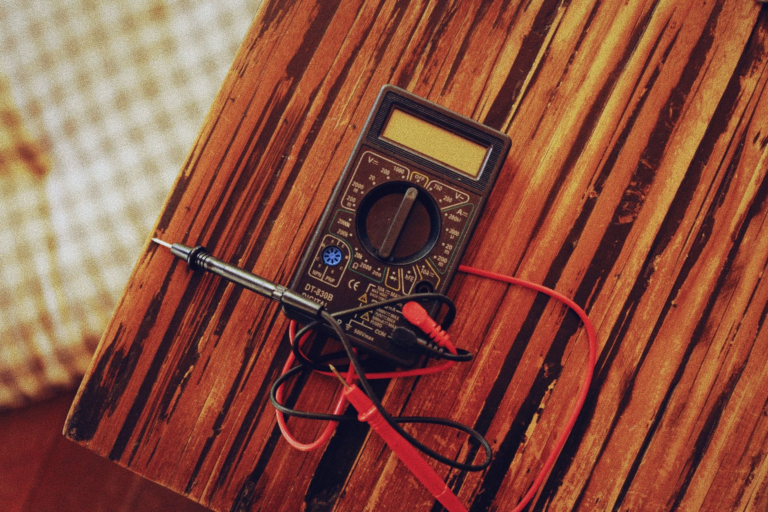
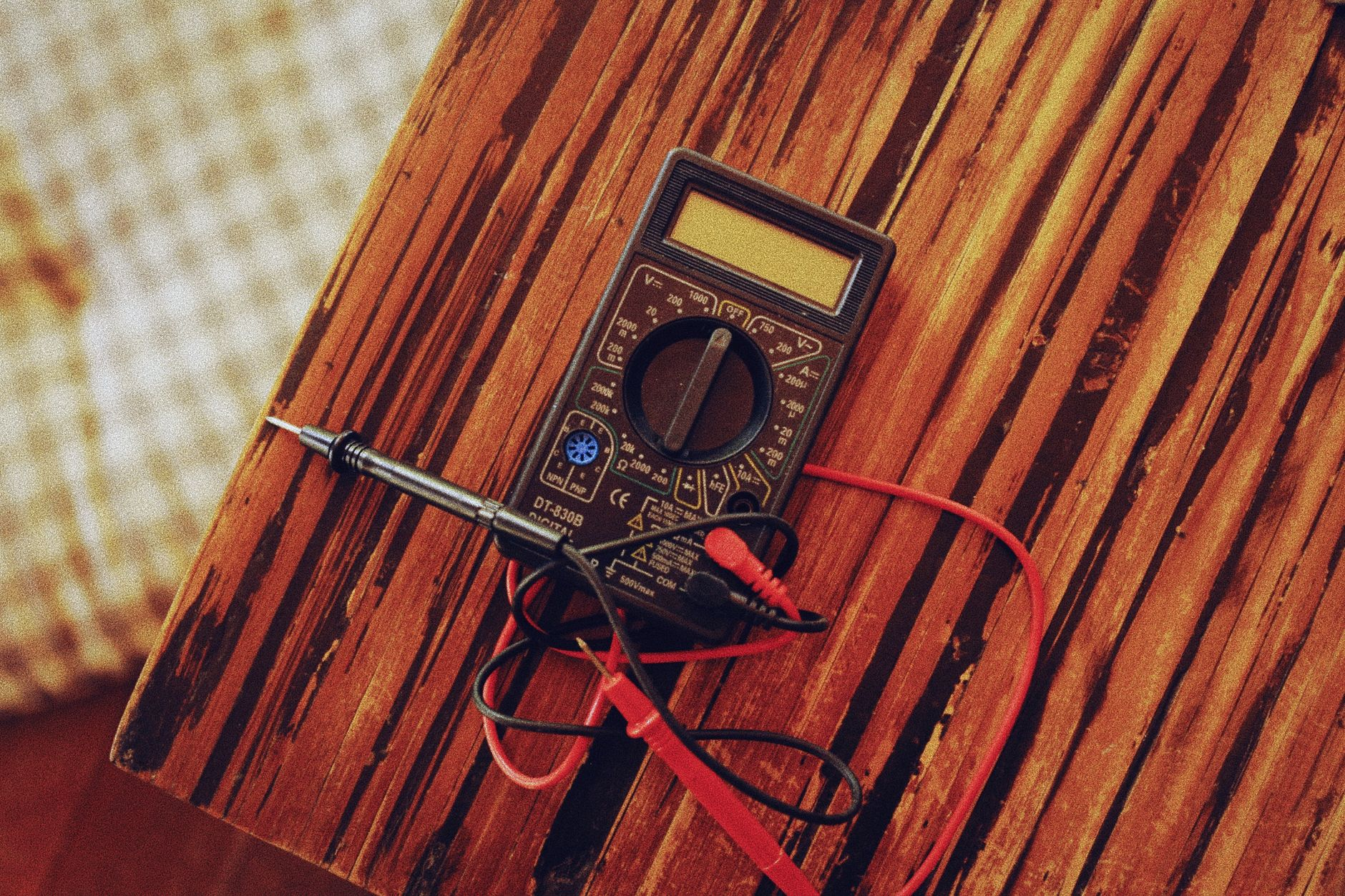
Digital multimeters are the most common type today, featuring an LCD screen that displays readings numerically. They offer several advantages:
- Precision and Accuracy: DMMs typically provide higher accuracy and resolution, often displaying readings to several decimal places.
- Ease of Reading: The numerical display is straightforward to read, reducing the chance of misinterpretation, especially for those new to electrical testing.
- Advanced Features: Many DMMs include features like auto-ranging, data hold, and sometimes even True RMS measurement for non-sinusoidal waveforms.
- Durability: Modern DMMs are often built to be robust, with features like rugged casings and overload protection.
For most general electrical work, including home DIY, automotive, and professional trade applications, a digital multimeter is usually the preferred choice due to its ease of use and accuracy.
Analogue Multimeters (AMMs)
Analogue multimeters use a needle sweeping across a calibrated scale to indicate measurements. While less common now, they still have specific applications:
- Visual Trend Indication: The movement of the needle can be useful for observing trends or fluctuating values, which can be harder to discern from rapidly changing digital numbers.
- No Battery Dependency for Basic Functions: Some older analogue meters can measure voltage and current without an internal battery, though resistance measurements require one.
- Less Susceptible to Electrical Noise: In some highly noisy electrical environments, analogue meters can sometimes provide a more stable reading than certain digital models.
Analogue meters are generally less accurate and more prone to parallax errors (reading the needle from an angle). They are typically chosen by users who specifically need to observe trends rather than precise, static values.
Key Features for Your Electrical Tasks
Selecting the correct multimeter involves looking beyond just digital or analogue. Several key features dictate a multimeter’s suitability for different tasks and environments.
Accuracy and Resolution
Accuracy refers to how close a measurement is to the true value, often expressed as a percentage of the reading plus a number of digits (e.g., ±0.5% + 2 digits). Resolution is the smallest change a meter can detect and display. For precision work, such as electronics repair, high accuracy and resolution are paramount. For general household wiring, a less precise meter may suffice.
Measurement Range and Auto-Ranging
The measurement range specifies the minimum and maximum values a multimeter can measure for each function (e.g., up to 1000V DC or 10A AC). Auto-ranging multimeters automatically select the correct range for the measurement, simplifying operation and protecting the meter from overload. Manual ranging meters require you to select the range yourself, which can be more time-consuming but offers more control and can be faster for repetitive measurements within a known range.
True RMS Measurement
For AC voltage and current, standard multimeters measure the average value of a waveform and then scale it to display the RMS (Root Mean Square) value, assuming a pure sinusoidal waveform. However, many modern electrical loads (like computers, variable speed drives, or LED lighting) produce non-sinusoidal waveforms. A True RMS multimeter accurately measures the RMS value of these complex waveforms, providing a more precise reading. If you work with these types of loads, a True RMS meter is a necessity.
Safety Ratings (CAT Ratings)
This is one of the most critical considerations. Multimeters are rated by safety categories (CAT I, CAT II, CAT III, CAT IV) and voltage levels, indicating the maximum transient voltage the meter can safely withstand. These ratings correspond to different electrical environments:
- CAT I: For electronic circuits and low-voltage, low-energy applications.
- CAT II: For circuits connected to standard wall outlets, appliances, and portable tools.
- CAT III: For fixed installations, distribution panels, and permanent wiring.
- CAT IV: For the origin of the installation, utility-level power, and outdoor connections.
Always choose a multimeter with a CAT rating appropriate for the highest energy circuit you intend to work on. Using a low-rated meter on a high-energy circuit poses a serious safety risk. For a wider range of electrical and soldering tools, ensure you understand the safety implications.
Input Impedance
A multimeter’s input impedance affects how much it loads the circuit being measured. A high input impedance (typically 10 megaohms or more for voltage measurements) means the meter draws very little current from the circuit, thus minimally affecting the circuit’s operation. This is crucial for sensitive electronics where a low impedance meter could give inaccurate readings or even damage components.
Additional Features
- Backlight: Useful for working in poorly lit areas.
- Data Hold: Freezes the display reading, allowing you to remove the probes and record the value.
- Min/Max Recording: Captures the minimum and maximum readings over a period, helpful for identifying intermittent issues.
- Data Logging: Some advanced meters can record measurements over time, which can then be downloaded to a computer for analysis.
Practical Checks Before You Buy
Before committing to a multimeter, consider these practical points:
- Intended Use: What specific measurements will you be making most often? Does it need to handle AC or DC, high voltage, or sensitive electronics?
- Ergonomics: Does the meter fit comfortably in your hand? Are the controls easy to operate, even with gloves?
- Display: Is the display clear and easy to read from various angles? Is a backlight necessary for your work environment?
- Test Leads and Probes: Check the quality of the included leads. Are they flexible, well-insulated, and rated for the meter’s voltage? You might need specialised probes for certain applications, which can also be found in our range of power tool accessories.
- Battery Life: Consider how long the battery lasts and what type it uses.
- Reputation: While we cannot recommend specific brands, researching user reviews can offer insights into reliability and durability.
Specialised Measurement Tools
For certain tasks, a standard multimeter might not be the most efficient or safest tool. For example, a clamp meter allows you to measure AC current without breaking the circuit, simply by clamping around the conductor. This is particularly useful for high-current applications where interrupting the circuit would be impractical or dangerous. Some clamp meters also offer voltage and resistance functions, acting as a hybrid tool. You might also find other specialty tools that complement or extend your measurement capabilities.
The Most Useful Takeaway
Ultimately, the best multimeter for you is one that reliably and safely performs the specific electrical measurements required for your regular tasks, without offering unnecessary features that add to the cost. Prioritise safety ratings and the core functions you need above all else.