The success of your welding project depends heavily on selecting the correct welding rods, wires, and shielding gases. Using unsuitable consumables can lead to weak welds, poor penetration, or an unsightly finish, regardless of your skill level or equipment quality.
Understanding Welding Processes and Their Consumables
Welding encompasses several methods, each requiring specific types of consumables. The three most common processes you will encounter are Shielded Metal Arc Welding (SMAW), more commonly known as stick welding; Gas Metal Arc Welding (GMAW), or MIG welding; and Gas Tungsten Arc Welding (GTAW), or TIG welding.
Shielded Metal Arc Welding (SMAW) / Stick Welding
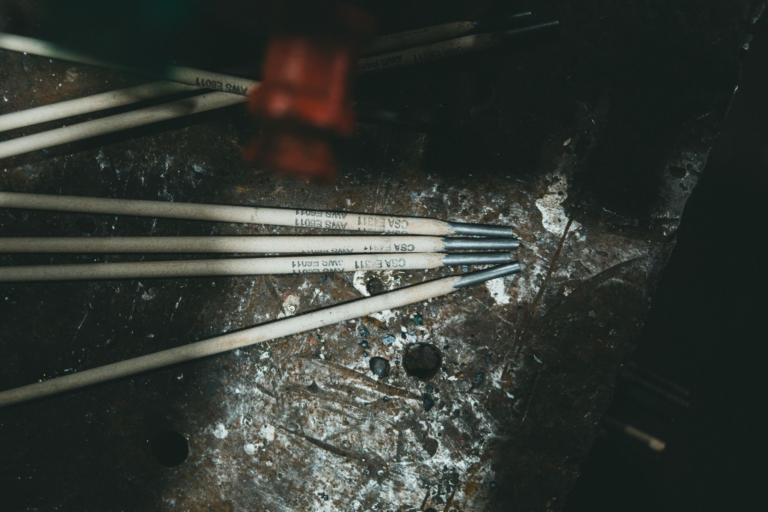
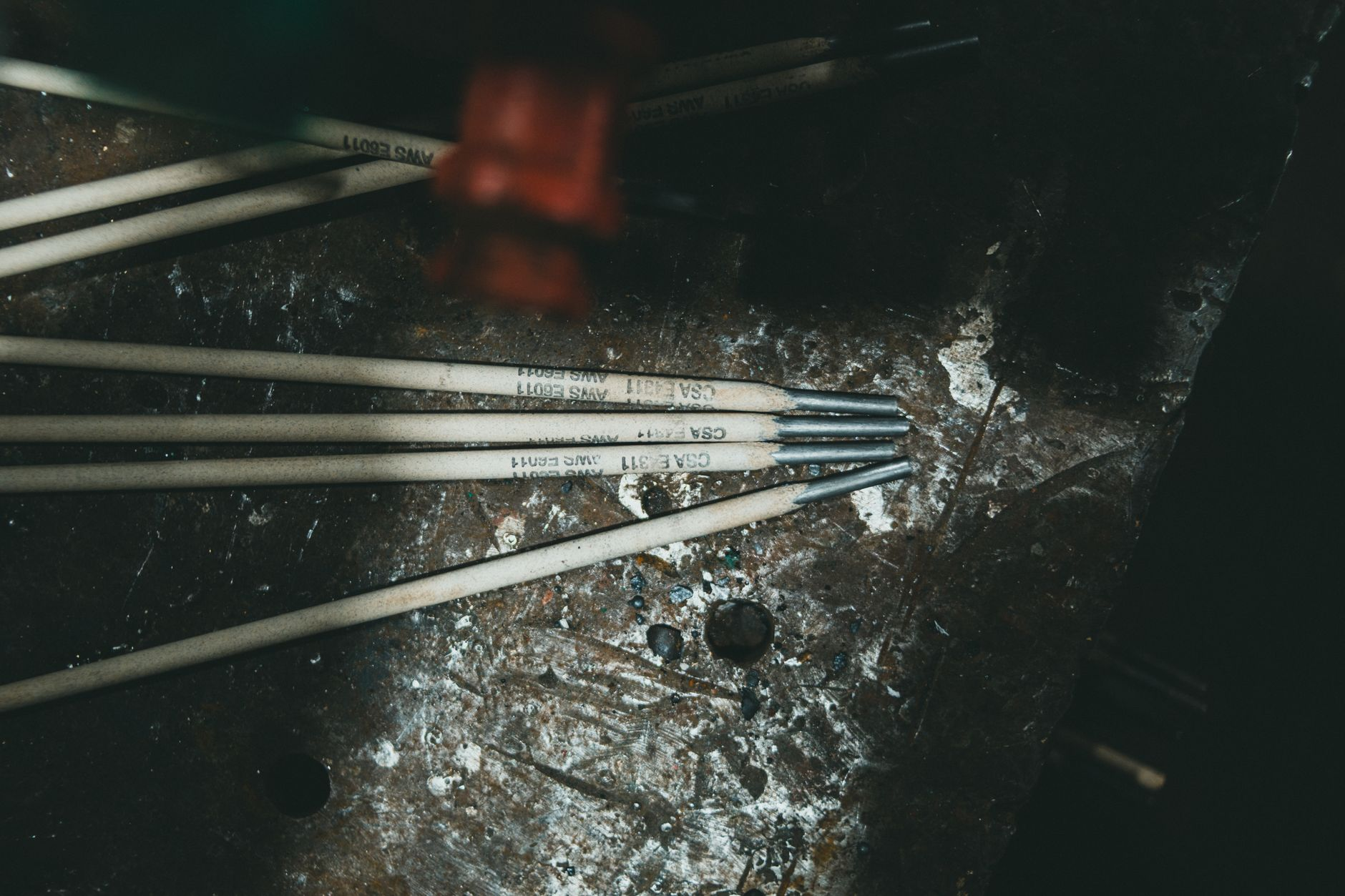
Stick welding uses a consumable electrode, or welding rod, which is coated in a flux. As the arc melts the rod, the flux coating vaporises, creating a protective gas shield and forming a layer of slag over the weld pool. This slag protects the molten metal from atmospheric contamination and helps shape the weld bead.
- E6013 Rods: These are general-purpose mild steel rods, known for their ease of use, smooth arc, and good bead appearance. They are suitable for light fabrication and general repair work. An example of this type is the Weld Right E6013 Steel Arc Welding Rods.
- E7018 Rods: These low-hydrogen rods produce stronger, more ductile welds, making them ideal for structural applications and critical joints where strength and resistance to cracking are important.
- Cast Iron Rods: For repairing cast iron, specific rods such as those containing nickel, like the Weld Right 2.5mm ENiFe-C1 Cast Iron Welding Rods, are often used. These help to reduce cracking in the brittle cast iron.
Stick welding is versatile and can be effective in outdoor or less-than-clean conditions, as the flux provides robust shielding.
Gas Metal Arc Welding (GMAW) / MIG Welding
MIG welding employs a continuous wire electrode fed through a welding gun. This process relies on an external shielding gas to protect the weld pool from the atmosphere. MIG welders, such as the HITBOX 145A 4-in-1 MIG Welder, offer a blend of speed and relative ease of learning.
- Solid Wires: These are used with an external shielding gas. Examples include mild steel MIG welding wire, like the Sealey 5.0Kg Mild Steel MIG Welding Wire – 0.8mm A18, as well as wires for stainless steel and aluminium. The wire type must match the base metal.
- Flux-Cored Wires: These wires contain a flux core that produces its own shielding gas when heated, eliminating the need for an external gas cylinder. This makes flux-cored wire, such as the YESWELDER 0.8mm E71T-GS Flux Core Wire, a practical choice for outdoor welding or when gas cylinders are inconvenient.
MIG welding is generally faster than stick welding and can be used for a wide range of material thicknesses.
Gas Tungsten Arc Welding (GTAW) / TIG Welding
TIG welding uses a non-consumable tungsten electrode to create the arc, with a separate filler rod added manually to form the weld. An inert shielding gas, typically pure argon, protects both the electrode and the weld pool. TIG welders, like the HITBOX 160A 240V IGBT Stick/TIG Welder or the HITBOX 200A AC/DC Aluminium TIG Welder, are known for their precision and ability to produce very clean, high-quality welds.
- Filler Rods: These must be chosen to match the base metal. You can find Multi-Metal Welding Rods suitable for copper, aluminium, and steel, available in various sizes. The filler rod introduces the material that forms the weld bead.
- Tungsten Electrodes: These come in different types, each suited for specific applications and current types (AC or DC).
TIG welding is often preferred for thin materials, exotic metals, and applications where aesthetic appearance is critical.
Matching Consumables to Your Base Metal
The type of metal you are welding is the primary factor in selecting your consumables. Different metals require different chemical compositions in their filler materials and specific shielding environments to ensure a strong, defect-free weld.
- Mild Steel: This is the most common metal for welding. For stick welding, E6013 or E7018 rods are suitable. For MIG, mild steel solid wire with CO2 or an argon/CO2 mix, or E71T-GS flux-cored wire for gasless applications, are common. For TIG, specific mild steel filler rods are used.
- Stainless Steel: Welding stainless steel requires specific stainless steel rods or wires (e.g., 308L, 316L) to maintain the material’s corrosion resistance. An argon/CO2 mix is typically used for MIG, while pure argon is preferred for TIG.
- Aluminium: Aluminium welding requires specific aluminium filler rods or wires. Pure argon is the essential shielding gas for both MIG and TIG welding aluminium. For TIG welding aluminium, an AC current setting is often necessary.
- Cast Iron: This material can be challenging due to its brittleness. Nickel-based rods, such as ENiFe-C1, are commonly used for stick welding repairs. Proper pre-heating and slow cooling techniques are often critical to prevent cracking.
- Copper and its Alloys: These metals require specific copper or bronze filler rods. Pure argon or argon/helium mixes are typically used for shielding to achieve adequate heat input and prevent oxidation.
Understanding Shielding Gases
Shielding gases play a vital role in MIG and TIG welding by protecting the molten weld pool from atmospheric contaminants such as oxygen, nitrogen, and hydrogen. These contaminants can lead to porosity, brittleness, and weak welds.
- Argon (Ar): Argon is an inert gas, meaning it does not react with the molten metal. It provides a stable arc and good penetration, making it an excellent choice for TIG welding all metals. For MIG welding, pure argon is used for aluminium and sometimes for stainless steel.
- Carbon Dioxide (CO2): CO2 is a reactive gas, often used for MIG welding mild steel. It is less expensive than argon but can produce more spatter and a harsher arc. It offers good penetration, especially on thicker materials.
- Argon/CO2 Mixes: These are widely used for MIG welding mild steel and some stainless steels. The addition of argon stabilises the arc and reduces spatter compared to pure CO2, while retaining good penetration. Common mixes include 75% argon / 25% CO2.
- Argon/Helium Mixes: Helium increases the heat input of the arc, which can be beneficial for TIG welding thicker sections of aluminium or copper. However, helium is more expensive and can be less stable than pure argon.
- Flux-Cored Wire (Gasless): As mentioned, certain flux-cored wires contain a flux that generates its own shielding gas during welding. This eliminates the need for an external gas cylinder, offering portability and suitability for outdoor conditions where wind might disperse external shielding gas.
Practical Checks Before You Weld
Before you begin any welding task, a few practical checks can help ensure you have chosen the correct consumables and are prepared for the work ahead:
- Identify the base metal: Be certain of the material you are welding. If unsure, perform a spark test or consult material data sheets.
- Determine the welding process: Your welding equipment dictates this. Whether you are using a HITBOX 160A 240V IGBT Stick/TIG Welder or a HITBOX 145A 4-in-1 MIG Welder, ensure your consumables match the process.
- Check rod/wire diameter: The diameter of your rod or wire should be appropriate for the material thickness you are welding and within the capacity of your welding machine.
- Verify shielding gas compatibility: Confirm that your chosen shielding gas is compatible with your wire, electrode, and the base metal.
- Inspect consumables for damage: Ensure welding rods are dry and free from moisture, and welding wires are free from rust or kinks.
- Consider your working environment: Outdoor conditions may favour flux-cored wire due to wind, while indoor work allows for gas-shielded processes.
- Review manufacturer specifications: Always refer to the specific recommendations for your welding machine and the consumables you intend to use.
Beyond Consumables: Safety and Setup
While selecting the right rods, wires, and gases is crucial, remember that proper preparation and safety are equally important for any welding project. Always ensure your workspace is well-ventilated and clear of any flammable materials.
It is paramount to wear appropriate personal protective equipment (PPE). This includes a suitable welding helmet, robust welding gloves, such as YESWELDER Leather Welding Gloves, and flame-resistant clothing, like the Portwest Bizweld FR Welding Jacket. Secure your workpieces firmly using clamps or squares, for example, the Preciva Aluminum Right Angle Clamp Set, before you strike an arc. You can find a range of useful accessories in our Workshop Equipment section. For all your general welding needs, from machines to specific Welding & Metalwork consumables, ensure you have the correct items for the job.
The correct choice of welding consumables is fundamental to achieving strong, clean, and durable welds. By understanding your base metal, the welding process, and the specific role of each consumable, you can make informed decisions that contribute to the overall success of your project.